
Roofs Restored After Severe Weather Strikes
Storm Roofing Repair in Columbus for properties with wind, hail, or debris impact damage
When high winds tear shingles away or hail bruises the surface enough to compromise the underlayment, your roof stops protecting the structure beneath it. Acme Roof and Siding, LLC addresses storm damage across Columbus through targeted repairs that restore the weatherproof barrier and prevent interior water intrusion. You see the immediate signs—missing tabs, lifted edges, punctures from fallen branches—but the hidden structural damage often matters more than what's visible from the ground.
The repair process starts with a thorough inspection to identify both obvious surface damage and concealed issues like bruised shingles or compromised decking. Heavy gusts lift shingle edges and break the seal, while hail impacts create soft spots that fail months later during the next heavy rain. Emergency tarping stops active leaks immediately, giving you time to plan the full repair without watching water stains spread across ceilings.
Schedule a storm damage inspection to document all visible and hidden roof issues before filing your insurance claim.
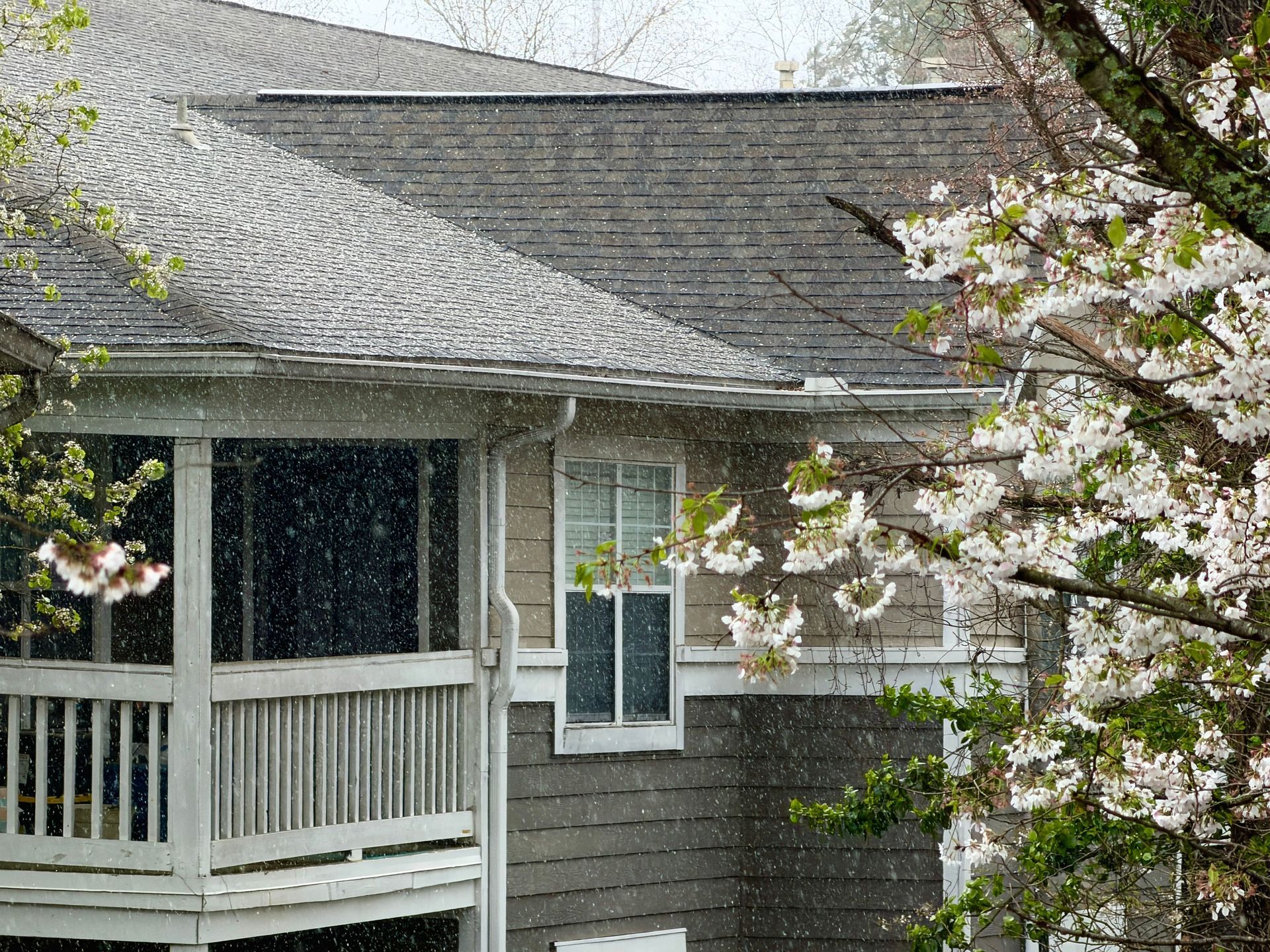
How Storm Repairs Address Both Visible and Hidden Damage
Wind damage repair involves replacing missing or torn shingles, re-sealing lifted edges, and checking that fasteners still hold the remaining material securely to the decking. Hail damage requires closer examination because impacts bruise the granular surface and crack the asphalt underneath, weakening shingles that still look intact from a distance. The inspection checks for dented vents, damaged flashing, and compromised underlayment that won't fail until the next storm cycle.
Once repairs finish, you notice that water no longer finds entry points during heavy rain, ceiling stains stop expanding, and the roof surface sits flat without lifted tabs catching the next gust. Acme Roof and Siding, LLC secures tarps over damaged sections within hours of your call, stopping the immediate leak while coordinating the insurance claims process and ordering materials that match your existing roof. Tree and debris impact repairs often require structural work beneath the shingles, replacing damaged decking before installing new weatherproofing layers.
The insurance claims assistance process includes detailed documentation of all damage, communication with adjusters, and scope verification to confirm that repairs cover everything the storm affected. Some damage won't appear on a quick visual pass—bruised shingles from hail may not show granule loss until weeks later, and wind-lifted edges often reseal themselves temporarily before failing during the next weather event.
Questions Homeowners Ask After Storm Events
Storms leave damage that ranges from obvious to concealed, and understanding what the repair involves helps you move forward with confidence.
What counts as hail damage if the shingles still look intact?
Hail bruises the surface by compressing the asphalt and breaking down the mat underneath, creating soft spots that crack and leak later even when granules remain in place.
How quickly does emergency tarping need to happen after a leak starts?
Tarping should happen within hours to prevent water from saturating insulation, spreading to ceilings, and soaking framing lumber that swells and develops mold.
Why does wind damage repair sometimes require replacing shingles that didn't blow off?
Wind lifts shingle edges and breaks the adhesive seal, leaving tabs that flap during the next storm and allowing water to wick underneath even when the shingle stays attached.
What does the insurance claims assistance process actually include?
It includes documenting every damaged area with photos and measurements, meeting with the adjuster during their inspection, and verifying that the approved scope matches all storm-related issues found during the evaluation.
How do repairs address damage from fallen tree limbs in Columbus where storm systems drop branches regularly?
Debris impact repairs involve removing damaged shingles, inspecting and replacing cracked or punctured decking, checking for fractured rafters, and installing new underlayment and shingles over the affected section.
Acme Roof and Siding, LLC responds to storm calls throughout Columbus and coordinates every step from emergency tarping through final inspection. Request a damage assessment to begin the documentation process and determine what your roof needs after severe weather.